

Office Moving Project Management: Who Should Lead Your Relocation?

movers

Choosing someone to oversee the project and work in tandem with your commercial movers is critical. This person needs to have a management style that works with the company’s atmosphere and be skilled at delegating tasks effectively.

A project manager wears many hats throughout your office move, and they act as a single point of contact for all vendors. They are also the ultimate problem solver when unexpected challenges arise. Contact your local Movers in Warren MI to learn more.

Internal Team

Relocating a business is a complex and massive project that impacts every department. It’s far too big for any one person to handle, and it requires the support of a strong internal team.

The first step in building an effective commercial moving project team is identifying who should be involved and what their roles will be. Ideally, you want to include representatives from each department and management level that will have an impact on the move, including IT, finance, marketing, HR and more. In addition, it’s important to have a dedicated project leader who will be the central point of contact for updates and acts as liaison between the internal office move team and external suppliers.

While you’ll have an internal office move project manager, it is critical that each department designates a Move Champion who will act as their liaison to the project team and manage their own departments’ requirements. Department representatives should also meet regularly (at least bi-weekly during planning, and weekly as the move approaches) to share progress and update the team on their specific needs.

Another vital role is the project sponsor, who will be responsible for developing and maintaining a timeline and budget and monitoring progress throughout the process. They will also be the point of contact for any issues that arise and ensure that they are handled promptly to minimize disruptions and impact on the business.

Managing an office relocation is like juggling multiple balls at once, and it can be difficult to keep track of what’s happening when so many different projects are underway. Having a centralized communication hub is essential to keeping everyone informed, which can be accomplished with a shared workspace, intranet page or project management tool that can house updates, FAQs and more.

While the initial cost of hiring a professional office move project manager may seem steep, most small businesses find that it pays for itself through the reduction in employee downtime and avoidable equipment damage, efficient vendor coordination, and avoiding expensive emergency solutions when things go wrong. In fact, we often see that the peace of mind and guaranteed results far outweigh the upfront investment.

External Team

Office relocations are complex projects that require coordination of multiple tasks and deadlines. They include physical logistics (furniture, IT infrastructure), employee communications and coordination, facility coordination, and business continuity planning. Without structured project management, office moves become chaotic and expensive. Unorganized projects experience missed timelines leading to lease penalties, extended project durations resulting in unnecessary expense and loss of productivity, vendor confusion caused by unclear communication, and project scope creep that causes delays and cost overruns.

A strong project leader can help to alleviate these issues by managing timelines, overseeing budgets, and providing a central contact point for internal and external teams. A well-rounded team also includes a representative from human resources to facilitate employee communications and ensure the new space is set up to support productivity and morale. An IT specialist is important to manage furniture and IT documentation, including inventory and asset tracking. This is often done through a centralized cloud or shared drive folder to simplify tracking and improve collaboration. A single version of truth for all documents is key to ensuring a successful move. It’s essential to share access with all stakeholders, version control critical files, and backup regularly.

While many companies are capable of handling their own office moves, the majority choose to engage an experienced professional project manager. Project managers bring a level of expertise that comes from years of completing hundreds of relocations. They have proven methodologies that allow them to anticipate problems before they occur and efficiently handle them when they do.

When you partner with a qualified project management company, the benefits are substantial. They can save you time, money and stress by delivering a high-quality project on-time and within budget. They also provide a higher level of accountability, reducing the confusion and finger-pointing that is typical of self-managed relocations. In most cases, the upfront investment in a project manager will pay for itself by reducing costly delays caused by equipment damage or lost productivity during the move process. In addition, they have relationships with vetted vendors and can negotiate discounted pricing for services that you would otherwise pay for on your own.

Vendors

Office moving is a massive project with far-reaching impacts. It’s not a one-person job and it requires a team of highly skilled, well-coordinated professionals to manage all the different aspects and tasks. A good project leader will ensure a cohesive and collaborative effort. This can be enhanced by leveraging technology tools that allow for shared access to important documents and status updates (e.g., budgets, timelines, contracts, floor plans, checklists). The key is to create a single source of truth and to control access by role or need.

A good project lead will also make it a priority to establish and maintain strong relationships with the key internal stakeholders involved in the move. This includes department representatives, IT and facilities teams, human resources, real estate and legal representatives. They will meet regularly with each group to share updates, discuss requirements and ensure that everyone has the information they need.

In addition, the project lead will be responsible for selecting and briefing external vendors such as movers, real estate brokers, IT specialists and design teams. They will work closely with these vendors to ensure that they understand the business needs and to establish realistic timelines, milestones and expectations for all parties. They will also ensure that contractual penalties are in place for critical schedule delays and ensure that all risk is being appropriately managed.

An experienced commercial moving company with a proven relocation management methodology can offer a lot of value during the move process. Their expertise and deep understanding of complex logistics, vendor coordination and business continuity can help to de-risk the overall project and deliver a high-quality experience. Look for a partner that can offer streamlined communications and coordination, a full-lifecycle leadership approach and deep vendor relationships across the country. These are the hallmarks of a true strategic partner that will deliver value through a streamlined, collaborative and transparent office move process.

Communication

A relocation isn’t just boxes and movers—it’s a project that requires a wide range of skills to succeed. From coordinating with vendors to ensuring IT systems are up and running at the new location to updating business address information with clients, there’s a lot to manage during an office move. Without dedicated project management, even small missteps can quickly snowball into missed deadlines and costly delays. A project manager with strong communication skills can keep the entire process moving forward smoothly.

As with any project, it’s critical to have regular team meetings during the office move planning phase. This is not only a time to discuss any concerns, but it’s also an opportunity to make sure the team is on track with their tasks. During these team meetings, a project manager can ensure everyone is aware of their roles and responsibilities during the office move.

Another important part of the office move plan is to create an office moving checklist and to-do list. This will help your team stay organized and ensure no items are forgotten. This can be done via email, at a company or department-wide meeting, or through a team leader. The goal is to provide an easy-to-follow document for everyone during the office move that’s updated regularly.

Having a shared drive or cloud folder for all of your move documents is another great way to keep things organized and ensure they’re never lost during the office move. This can be a place for all of your project plans, timelines, budgets, vendor contracts and proposals, floor plans, checklists, and other important documentation. You can control access based on role, version control, and back up your information regularly to prevent any data loss during the move.

After your office moves, it’s important to follow up with employees and external stakeholders to let them know where they can find their new desks and get settled in. You can also send a survey or email to gather feedback on the office move plan and ask for any suggestions to improve future moves. This is an excellent way to ensure your company has a positive reputation for office moving planning.
Posted in Movers | Tagged , , , , | Comments Off on Office Moving Project Management: Who Should Lead Your Relocation?

The Hidden Health Benefits of Professional Carpet Cleaning for Homes and Offices

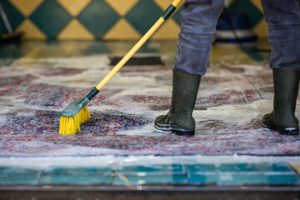
Carpets do more than add warmth and visual appeal to a space. They soften footsteps, absorb sound, and create a welcoming atmosphere in both residential and commercial settings. Yet beneath their comfortable surface lies a hidden layer of contaminants that can quietly affect indoor health. While regular vacuuming helps maintain appearance, it often fails to remove deeply embedded debris, allergens, and microscopic pollutants. This is where professional Carpet Cleaning Orem becomes far more than a cosmetic service—it becomes a health-focused investment.

carpet cleaning

In homes and offices alike, carpets act as large filters. They trap dust, dirt, bacteria, and airborne particles that circulate through indoor air. Over time, these materials accumulate and can begin to influence air quality, respiratory comfort, and even overall well-being. Understanding the hidden health benefits of professional carpet cleaning reveals why routine deep cleaning should be part of any comprehensive property maintenance plan.

Carpets as Hidden Reservoirs of Allergens

Carpets naturally capture airborne particles. While this may initially help prevent them from remaining suspended in the air, those particles do not disappear. Instead, they settle deep within carpet fibers and padding.

Common contaminants embedded in carpets include:

  1. Dust mites and their waste particles
  2. Pet dander and fur
  3. Pollen tracked in from outdoors
  4. Mold spores and microscopic fungi

When carpets are disturbed by foot traffic, vacuuming, or airflow changes, these particles can be released back into the indoor environment. For individuals with allergies or asthma, this recirculation may trigger symptoms such as sneezing, coughing, congestion, and watery eyes.

Professional carpet cleaning uses specialized equipment designed to extract deeply embedded contaminants. Removing allergen buildup at the source, it helps reduce overall exposure and supports improved indoor air quality.

Improving Indoor Air Quality in Workspaces

Offices and commercial environments often experience higher levels of foot traffic than residential spaces. Employees, clients, and visitors are continuously tracked in dirt, bacteria, and outdoor pollutants. Over time, carpets in these areas can accumulate a significant amount of debris.

Poor indoor air quality in offices may contribute to discomfort, fatigue, and reduced productivity. Employees who experience frequent headaches, sinus irritation, or respiratory issues may unknowingly be affected by contaminated carpets.

Professional carpet cleaning supports healthier work environments by removing deeply lodged particles that ordinary cleaning methods leave behind. In turn, cleaner carpets contribute to fresher air circulation, making the workplace more comfortable and conducive to focus.

Reducing Bacteria and Germ Accumulation

Carpets can harbor more than just dust. Spills, food crumbs, moisture, and organic debris create an environment where bacteria may thrive. In homes with children or in offices with shared spaces, carpets can become hotspots for microbial growth.

Deep cleaning methods, such as hot water extraction, help sanitize carpet fibers by removing contaminants that feed bacteria. While carpets may appear clean on the surface, professional treatment reaches beneath the visible layer to address hidden buildup.

By reducing bacterial presence within carpet fibers, professional cleaning helps create a cleaner, healthier indoor environment—particularly important in high-use areas such as conference rooms, living rooms, hallways, and reception spaces.

Controlling Mold and Moisture-Related Issues

Moisture is one of the most significant threats to carpet health. Spills, humidity, and water intrusion can seep into carpet padding, creating an ideal breeding ground for mold and mildew.

Mold spores can affect indoor air quality and may produce musty odors that linger throughout a property. In some cases, hidden mold growth beneath carpets can go unnoticed for extended periods.

Professional carpet cleaning services are equipped to handle moisture extraction and thorough drying. This process helps prevent mold growth and eliminates existing dampness that may compromise indoor air.

Prompt professional cleaning after water exposure is especially important to protect both the carpet’s integrity and the health of occupants.

Supporting Respiratory Health at Home

In residential settings, carpets often cover bedrooms, family rooms, and other high-use spaces. Because people spend a significant amount of time indoors, especially while sleeping, the cleanliness of carpets directly influences respiratory comfort.

Children and pets frequently sit or play close to the carpet surface, increasing their exposure to trapped contaminants. Professional carpet cleaning removes embedded particles that could otherwise contribute to respiratory irritation.

Some of the most notable respiratory-related benefits include:

  1. Reduced allergen circulation during HVAC operation
  2. Fewer airborne dust particles are disturbed by foot traffic
  3. Lower risk of mold spore exposure
  4. Improved overall air freshness

For households with asthma sufferers or allergy-sensitive individuals, regular deep cleaning can play an important role in maintaining a healthier indoor atmosphere.

Eliminating Lingering Odors at the Source

Carpet fibers absorb odors from pets, spills, smoke, food, and everyday activities. Over time, these odors can become trapped within the material, creating a persistent, unpleasant smell.

Surface cleaning may mask odors temporarily, but professional carpet cleaning targets the underlying cause. By removing the organic matter and residue responsible for odors, it restores freshness rather than simply covering up smells.

In offices, this can enhance the overall client experience. In homes, it creates a more inviting and comfortable environment for family members and guests alike.

Extending Carpet Lifespan While Protecting Health

Health benefits are often linked with maintenance benefits. When carpets are cleaned professionally, not only are contaminants removed, but the fibers themselves are preserved.

Dirt particles are abrasive. As they accumulate and grind against carpet fibers with foot traffic, they can cause premature wear. Worn carpets are more likely to trap and hold debris, making them harder to clean over time.

Routine professional cleaning protects both health and investment by:

  1. Preventing excessive fiber damage
  2. Maintaining structural integrity
  3. Reducing deep-seated grime accumulation
  4. Preserving indoor cleanliness standards

A well-maintained carpet is easier to keep clean and less likely to become a reservoir for harmful particles.

Enhancing Mental Well-Being Through Cleaner Spaces

Health extends beyond the physical. Clean environments contribute to mental clarity and reduced stress. Walking into a room with fresh, clean carpets creates a subtle yet powerful sense of order and comfort.

Cluttered, dusty, or musty-smelling spaces can negatively impact mood and productivity. In offices, this may affect morale. In homes, it may influence relaxation and overall satisfaction.

Professional carpet cleaning contributes to a visibly and invisibly cleaner space, supporting both emotional well-being and physical health.

Professional Equipment vs. Standard Vacuuming

Many property owners rely solely on vacuuming for carpet maintenance. While vacuuming is essential for routine upkeep, it does not replace professional deep cleaning.

Standard vacuums remove surface debris but often lack the power to extract deeply embedded dirt and allergens. Professional equipment, on the other hand, uses advanced extraction systems designed to reach beneath the top layer of fibers.

This deeper cleaning process ensures that contaminants are removed rather than simply redistributed. The difference lies in both the strength of suction and the techniques used to loosen and extract buildup.

When Should Professional Carpet Cleaning Be Scheduled?

The frequency of professional carpet cleaning depends on factors such as foot traffic, the presence of pets, and indoor air concerns. Homes with children or animals may require more frequent service, while high-traffic office environments benefit from scheduled maintenance to preserve air quality.

Property owners should consider professional carpet cleaning when:

  1. Allergies or respiratory symptoms increase indoors
  2. Persistent odors linger despite surface cleaning
  3. Visible stains are accompanied by embedded dirt
  4. Carpets have not been deep-cleaned within the past year

Being proactive rather than reactive helps prevent contaminants from accumulating to problematic levels.

Creating a Comprehensive Indoor Health Strategy

Professional carpet cleaning should be part of a broader indoor health plan. Combined with regular air filter changes, proper ventilation, and routine surface cleaning, it strengthens overall cleanliness efforts.

Carpets cover a large percentage of floor space in many properties. Ignoring their condition means overlooking one of the most significant contributors to indoor air quality. Addressing carpet hygiene enhances the effectiveness of other cleaning practices throughout the property.

When carpets are professionally maintained, the benefits extend far beyond appearance. They support a cleaner breathing environment, reduce allergen exposure, minimize microbial growth, and enhance overall comfort.

A Health Investment You Can Feel

The true value of professional carpet cleaning is not always immediately visible. It lies beneath the fibers, where allergens, bacteria, and pollutants accumulate over time. By removing these hidden contaminants, professional services help create healthier homes and offices.

Cleaner carpets contribute to better air quality, improved respiratory comfort, and a fresher living or working environment. Whether you are managing a busy office or maintaining a family home, investing in professional carpet cleaning is an investment in well-being.

When indoor health matters—as it always should—looking below the surface makes all the difference.

Posted in Carpet Cleaning | Tagged , , , , , | Comments Off on The Hidden Health Benefits of Professional Carpet Cleaning for Homes and Offices