
In today’s increasingly connected world, reliable electricity is more than a convenience—it is a necessity. Businesses, healthcare facilities, industrial operations, and even residential properties depend on continuous power to maintain safety, productivity, and comfort. Unexpected outages, whether caused by storms, equipment failure, or grid instability, can lead to costly disruptions, compromised safety, and operational losses. This is where backup generators and emergency power solutions become essential. They provide a dependable source of electricity during interruptions, ensuring that critical systems continue to function and minimizing the impact of power outages.
Backup power solutions range from small residential generators to large-scale commercial and industrial systems. Their primary function is to supply electricity during grid failures, maintaining essential operations and protecting sensitive equipment. In commercial and industrial contexts, power interruptions can result in significant financial losses due to downtime, spoiled inventory, or halted production. For residential properties, an outage can compromise safety, comfort, and daily routines. Well-designed emergency Jacksonville NC Electric power solutions address these risks by providing immediate, reliable electricity whenever the main supply fails.
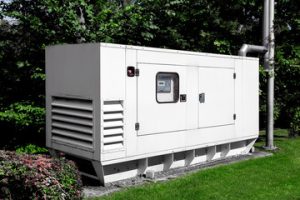
A fundamental component of any emergency power strategy is the generator itself. Generators convert fuel—such as diesel, natural gas, propane, or biogas—into electricity through an engine-driven alternator. Their size, capacity, and type are selected based on the electrical load, runtime requirements, and specific operational needs of the property. Professional electricians or energy consultants conduct load assessments to determine the appropriate generator size, ensuring that critical systems receive adequate power without overloading the unit. Proper sizing also prevents inefficient operation, reduces wear on the generator, and extends its lifespan.
Automatic transfer switches (ATS) are a critical feature of modern backup power systems. These switches detect power interruptions from the main grid and automatically switch the electrical load to the generator. Once the main supply is restored, the ATS seamlessly transitions the load back to the grid. This automatic operation eliminates delays in power delivery, which is especially important for facilities with continuous or sensitive operations, such as hospitals, data centers, or refrigeration-dependent businesses. The combination of a generator and ATS provides peace of mind by ensuring uninterrupted power without requiring manual intervention.
Emergency power solutions also include uninterruptible power supply (UPS) systems. Unlike generators, which require a short startup period, UPS systems provide instant power to connected devices during outages. They are particularly important for critical electronics, servers, and communication systems that cannot tolerate even brief interruptions. Many commercial and industrial facilities use hybrid setups, combining UPS systems for instant protection with generators for sustained energy supply. This layered approach guarantees both immediate response and long-duration backup, creating a resilient and reliable electrical system.
Safety and compliance are key considerations when installing backup generators. Improper installation can lead to fire hazards, carbon monoxide exposure, and electrical faults. Licensed electricians ensure that generators and associated systems meet national and local safety standards, including proper grounding, circuit protection, ventilation, and fuel storage regulations. They also verify that connections to building panels, ATS units, and critical circuits are secure and code-compliant. Adhering to safety standards minimizes risks to personnel and property while ensuring smooth operation during power outages.
Fuel type selection is another important factor in generator design. Diesel generators are popular in industrial and commercial settings due to their durability and high energy output. Natural gas and propane generators offer cleaner emissions and the convenience of continuous fuel supply from pipelines or tanks. Biogas and hybrid fuel options are emerging as sustainable alternatives, particularly for environmentally conscious facilities. Professional guidance is essential to determine the most suitable fuel type based on runtime, availability, emissions requirements, and operational priorities.
Maintenance is critical to the reliability of backup power systems. Generators require regular inspection, testing, and preventive maintenance to remain operational when needed. This includes checking fuel quality, lubricating engine components, inspecting battery health, and testing transfer switches. Many commercial properties implement scheduled load tests to ensure that the generator can handle the full electrical load during an actual outage. Routine maintenance minimizes the risk of failure, extends the equipment’s service life, and ensures that emergency power is available when it matters most.
Load prioritization is an essential aspect of emergency power planning. Not all circuits require backup power, and attempting to run every system simultaneously can overwhelm the generator. Electricians and energy planners identify critical loads—such as lighting, HVAC, refrigeration, emergency systems, and IT infrastructure—and design the system to provide electricity to these circuits first. Non-essential systems can be excluded or scheduled for delayed operation, optimizing generator efficiency and ensuring that the most important functions remain operational during outages.
Commercial and industrial facilities often require larger-scale solutions, including multiple generators or parallel generator configurations. These setups provide redundancy, allowing one generator to carry the load while another is offline for maintenance or repair. Parallel operation increases reliability and provides flexibility, ensuring that even during extended outages, the facility maintains continuous operations. Professional electricians design and coordinate these complex systems to ensure load sharing, synchronization, and proper safety mechanisms are in place.
Integration with renewable energy is becoming increasingly common in modern backup power strategies. Solar panels and battery storage systems can complement generators, reducing fuel consumption and emissions during outages. For instance, solar-plus-battery setups can supply power during short-term interruptions, while generators provide long-term energy support for extended outages. Electricians design and implement these hybrid systems to ensure seamless operation, safety, and maximum energy efficiency.
Monitoring and control systems enhance the functionality of backup power solutions. Remote monitoring allows property managers to track generator performance, fuel levels, and maintenance needs in real time. Advanced control systems can automatically start or stop generators based on demand, perform self-diagnostic tests, and notify personnel of potential issues before they become critical. These capabilities reduce downtime, improve operational efficiency, and enhance the reliability of the entire emergency power system.
Proper siting and installation of generators are critical for both performance and safety. Generators must be located in well-ventilated areas, away from living spaces or sensitive equipment, to prevent heat buildup, noise disruption, and exposure to exhaust gases. Outdoor generators require weatherproof enclosures to protect against rain, dust, and extreme temperatures. Electricians ensure that installation locations meet building codes, ventilation requirements, and accessibility standards for maintenance and fuel refilling.
Key considerations for effective backup power solutions include:
- Load Assessment and Sizing – Accurately calculating the electrical load ensures the generator can meet critical demands without overloading.
- Fuel Type and Storage – Selecting the appropriate fuel based on availability, runtime, emissions, and operational goals.
- Automatic Transfer Switch Integration – Ensuring seamless transition between main power and backup power.
- Safety and Code Compliance – Proper grounding, circuit protection, and installation in accordance with national and local regulations.
- Maintenance and Testing – Regular inspections, preventive maintenance, and load tests to ensure reliability.
- Critical Load Prioritization – Identifying essential systems and circuits to optimize generator operation.
- Hybrid and Renewable Integration – Incorporating solar, batteries, or other sustainable solutions to enhance efficiency and reduce fuel dependency.
- Monitoring and Control Systems – Enabling real-time performance tracking, diagnostics, and remote management.
The benefits of investing in reliable backup power systems are significant. For businesses, uninterrupted electricity prevents revenue loss, protects sensitive equipment, and maintains operational continuity. For industrial facilities, continuous power supports safety-critical processes, production lines, and regulatory compliance. For residential properties, backup generators provide peace of mind during storms, blackouts, or grid interruptions, ensuring comfort, safety, and security for occupants.
Ultimately, the role of licensed electricians in backup generator and emergency power solutions cannot be overstated. Their expertise ensures proper design, safe installation, and long-term reliability. They assess energy demands, recommend appropriate equipment, integrate protective systems, and maintain code compliance throughout the installation. Their guidance also supports ongoing maintenance, monitoring, and future scalability, ensuring that backup power solutions remain effective over time.
In conclusion, reliable electricity is essential in modern homes, businesses, and industrial facilities. Power outages pose risks to safety, operations, and financial stability, making backup generators and emergency power solutions a vital component of any energy strategy. By investing in professionally designed and installed systems, property owners can ensure continuous power, protect critical systems, and optimize energy efficiency. From proper sizing and installation to safety compliance, maintenance, and integration with renewable energy, electricians play a central role in delivering reliable, sustainable, and effective emergency power solutions.
A well-planned backup power system provides more than temporary electricity—it ensures operational continuity, safety, and resilience. By prioritizing proper design, professional installation, and ongoing maintenance, property owners can face power interruptions with confidence, knowing that essential systems will remain operational and that their investment in energy infrastructure is secure for the long term.